1. Transactions create inputs
Buys, sells and transfers historically applied a fee. That fee supplied both the burn path and the temporary vault rather than acting as a single undifferentiated charge.
0x8a5d…18b2f
A readable map of the MONSTA contract system: transaction tax, asset routing, cycle rules, auto-cashout and relaunch mechanics.

Cake Monster was not a plain transferable token. Its published architecture joined MONSTA transfers to a temporary collection vault, reserve-asset purchases, liquidity operations, supply reduction and time-based cycle rules. Understanding one function in isolation can therefore produce the wrong conclusion about the system as a whole.
This hub follows value and control through the complete protocol. It distinguishes the public dApp from the proxy contract, the proxy from its implementation, and intended whitepaper behavior from transactions that can be verified on BNB Chain.
Buys, sells and transfers historically applied a fee. That fee supplied both the burn path and the temporary vault rather than acting as a single undifferentiated charge.
When thresholds were satisfied, keeper-style functions could route collected MONSTA into liquidity and reserve assets. The Kitchen was an interface for those rules, not the source of authority.
Supply, elapsed time and activity rules could open finish, claim or relaunch phases. A holder’s rights depended on state, snapshot and timing rather than ownership alone.
Token Economics covers supply, liquidity and market structure, Rewards & Culture covers crumbs, staking, nfts and games, and BNB Chain Safety covers verification, wallets and risk. Follow these adjacent hubs when a question crosses contract behavior, accounting, incentives or wallet risk.
Each guide answers one practical question, then points to the evidence and adjacent concepts needed to understand the wider system.

A factual introduction to the BNB Chain token, its reserve-vault design and its unusual cycle mechanics.
Open protocol mechanics guide
From the 2021 launch and Gravity Vault to staking, NFTs and the later transition in the MONSTA ecosystem.
Open protocol mechanics guide
A plain-English reading of management, policy, volume, vaults and the end-of-cycle process.
Open protocol mechanics guide
How the reserve was designed to accumulate CAKE and how a vault differs from a treasury or price floor.
Open protocol mechanics guide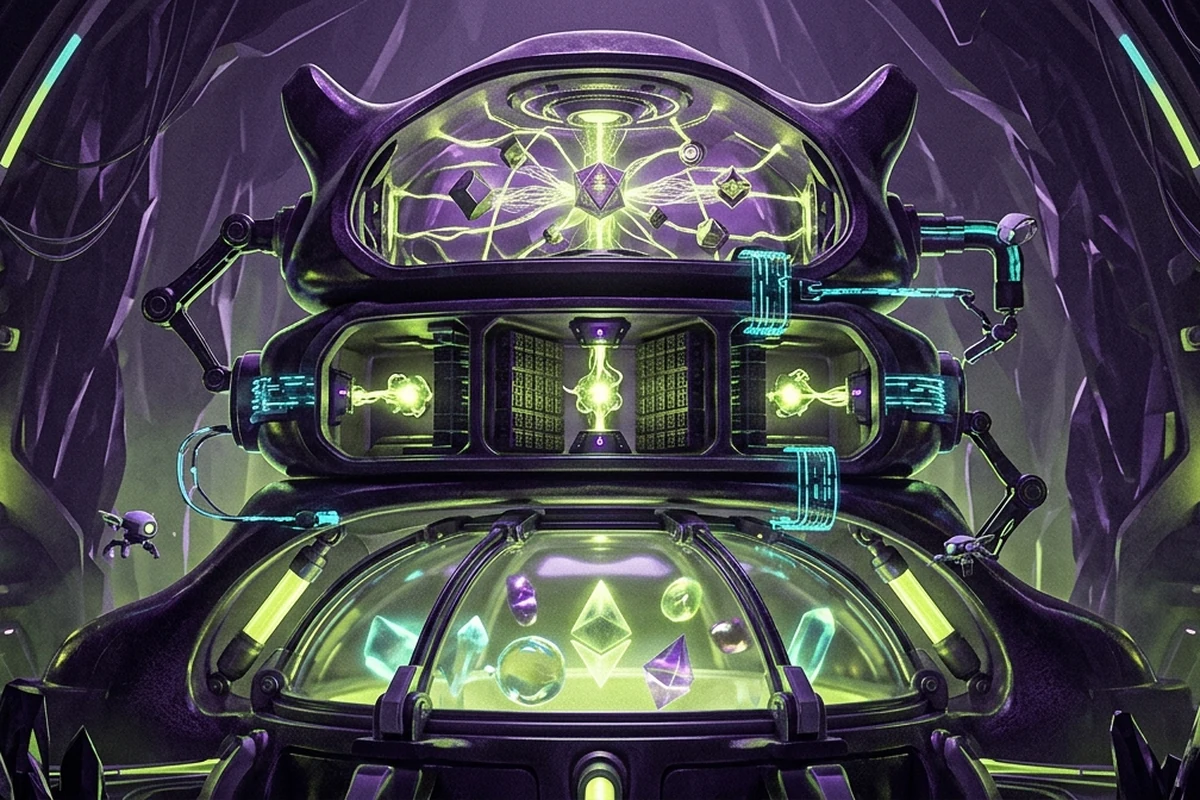
A guide to the temporary vault, Gravity Vault and the later multi-asset framing.
Open protocol mechanics guide
The controversial legacy rule that could process inactive wallets and why holders needed to understand it.
Open protocol mechanics guide
What a legacy wallet timer reset meant, what it cost and what it did not guarantee.
Open protocol mechanics guide
How public callers processed the temporary vault and why keeper incentives were part of the design.
Open protocol mechanics guide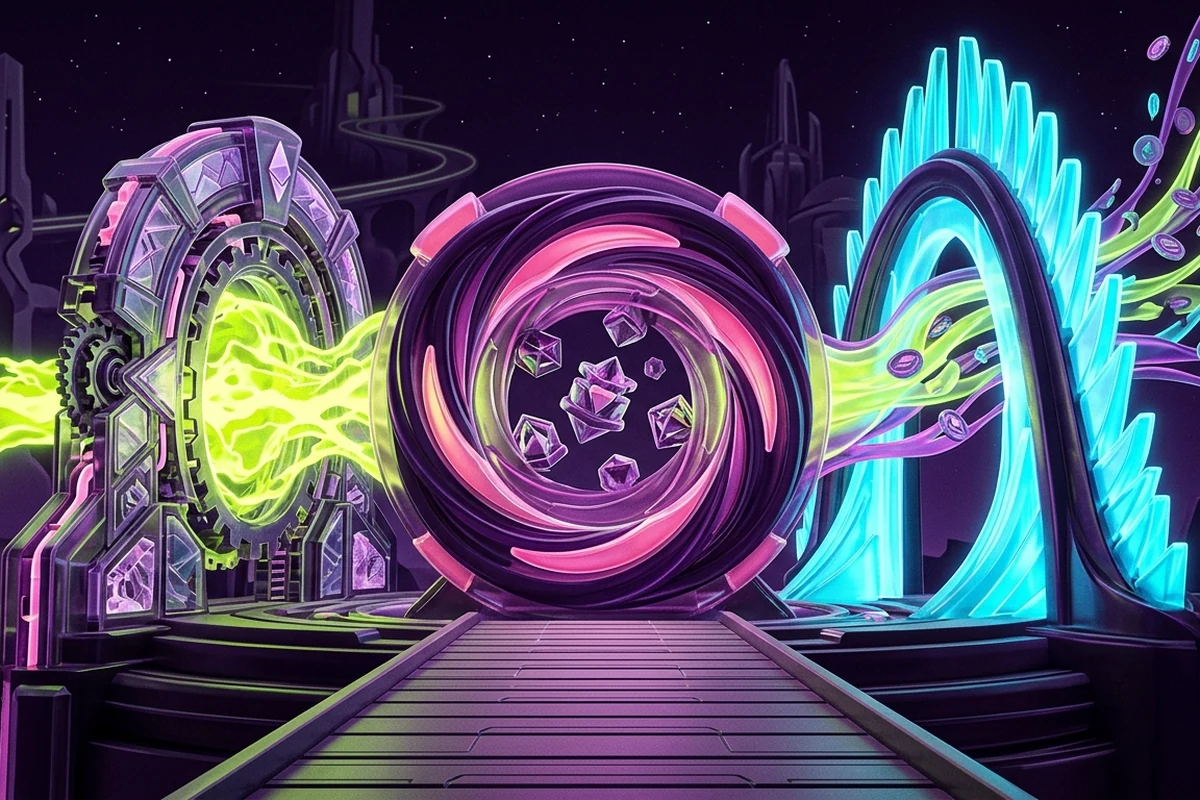
Finish, reserve claims and supply restoration at the end of a documented cycle.
Open protocol mechanics guide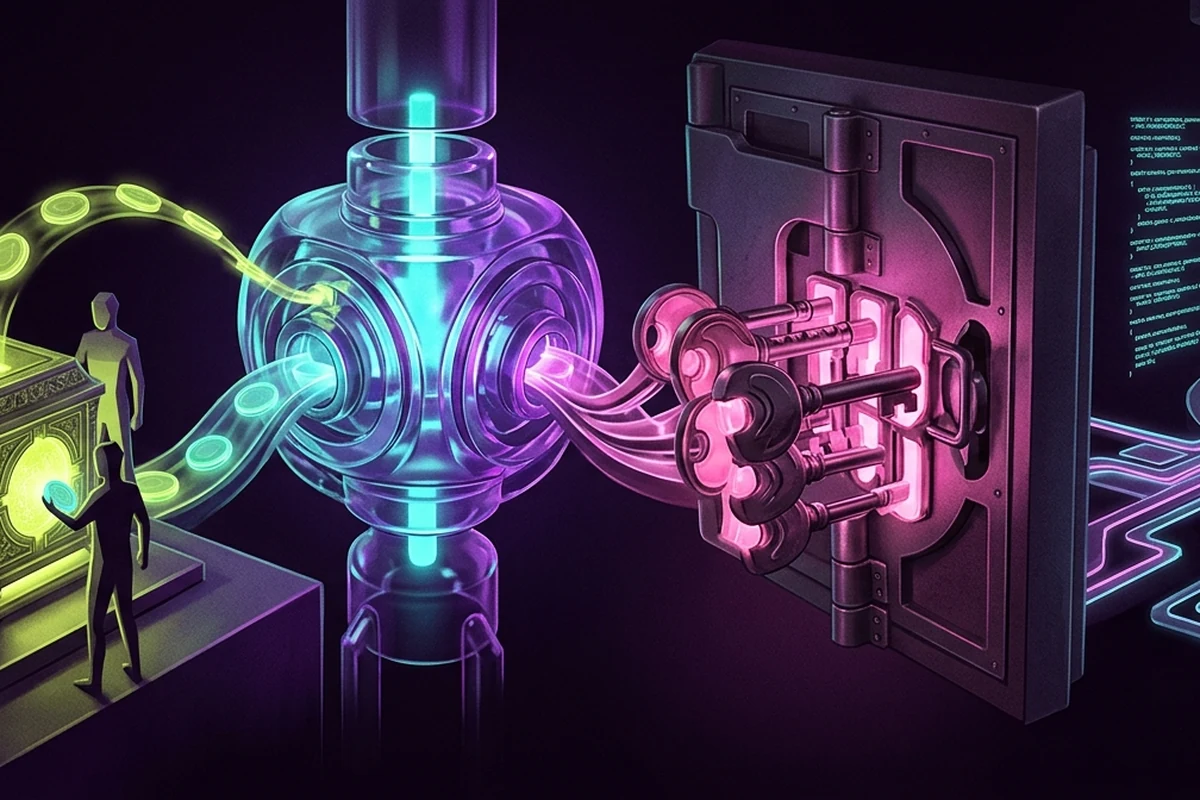
How social consensus, multisig decisions and on-chain permissions differ.
Open protocol mechanics guideShort answers for readers deciding which evidence or guide they need next.
Some maintenance functions were publicly callable, but proxy administration, interfaces and external dependencies still introduced human-controlled layers.
No. A reserve balance and a continuously redeemable price floor are different mechanisms. Claim conditions and market execution determined realizable value.
Use verified implementation code and executed transactions for current behavior; use dated whitepapers and announcements to explain historic intent.
These takeaways connect protocol mechanics to its evidence model and the neighboring Cake Monster research sections a reader may need next.
vaults, cycles and contract logic
1. Transactions create inputs
Token Economics, Rewards & Culture, BNB Chain Safety