Quick answer: MONSTA Deflation Cycles Explained
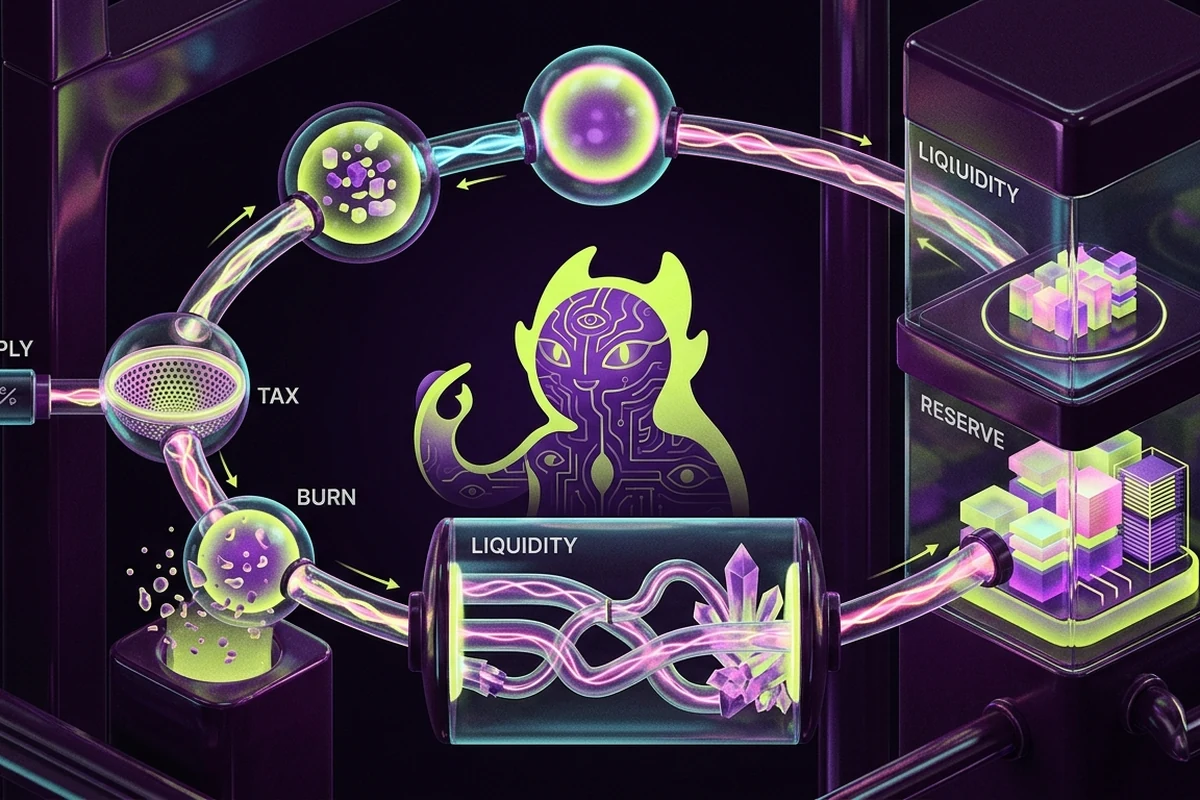
Cake Monster’s published model was cyclical, not simply a fixed-supply burn. Supply could contract through taxes and other functions, reach an end condition, settle reserve claims and then be relaunched under specified rules.
Burn versus cycle reset
A permanent burn within one cycle can coexist with later minting during a relaunch. Calling the asset merely deflationary hides that second part.
End conditions
Historic documents discussed a minimum supply, elapsed time and inactivity conditions. The operative contract version determines which conditions exist and whether they can be reached.
Economic interpretation
Lower token count does not mechanically create value. Pool reserves, demand, claim rights, dilution rules and confidence in execution all matter.
Why cyclical supply is not simple permanent scarcity
Within a cycle, burns reduce the recorded supply and can change snapshot thresholds. At a relaunch, however, the design could restore supply under specified allocation rules. Analysis must show both movements rather than quoting only the falling portion of the curve.
The meaningful denominator can also change by question: total supply for a burn percentage, circulating supply for market capitalization, pool inventory for price impact and eligible snapshot supply for a reserve claim. Mixing those denominators creates apparently precise but economically invalid results.
Related accounting and market evidence
Place this guide beside its token economics neighbors before drawing a conclusion. Each link adds a contract, accounting or risk fact that changes how the main claim should be read.
MONSTA Transaction Tax Explained - The legacy five-percent split, processing path and hidden assumptions behind tax-token economics.
MONSTA Market Cap vs Gravity Vault Value - Three numbers that sound comparable but answer different questions.
Cake Monster Relaunch Process Explained - Finish, reserve claims and supply restoration at the end of a documented cycle.
Model a supply cycle to see how a chosen burn rate compounds across cycles before trusting a deflation claim.
Verification checklist
- 01Chart burns and authorized mints together.
- 02Name the denominator used by every percentage.
- 03Test whether published end conditions exist in active code.
Questions about MONSTA Deflation Cycles Explained
Can a token be deflationary and later mint?
Yes, if the design contracts supply during a cycle and explicitly authorizes restoration or relaunch minting afterward.
Does burning pool-held MONSTA avoid price impact?
Burn mechanics can change pool accounting, but the result depends on the exact transaction sequence and automated-market-maker reserves.
Sources & evidence trail
- Cake Monster whitepaper v1.4Primary or technical reference
- MONSTA token contract on BscScanPrimary or technical reference
- Cake Monster record on DeFiLlamaPrimary or technical reference